On differencing of ARIMA in state space

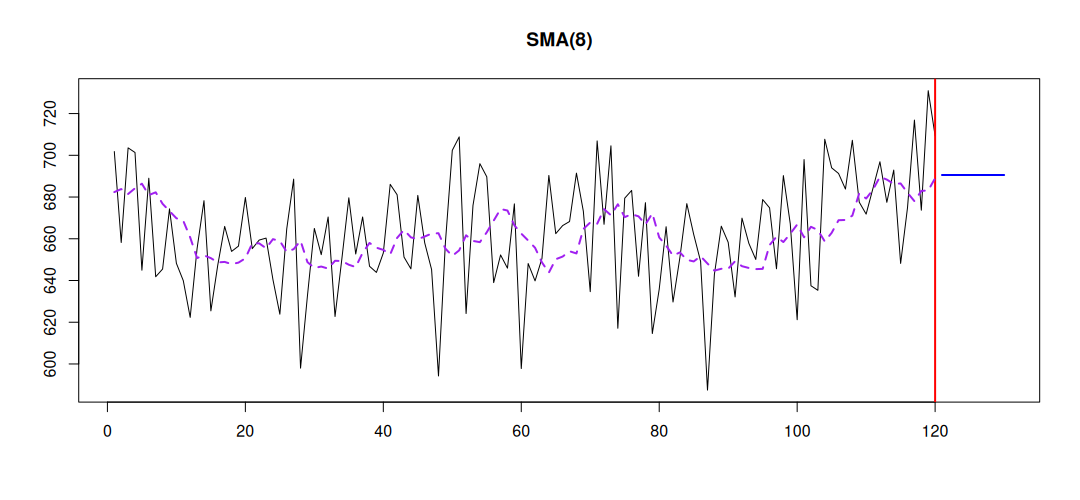
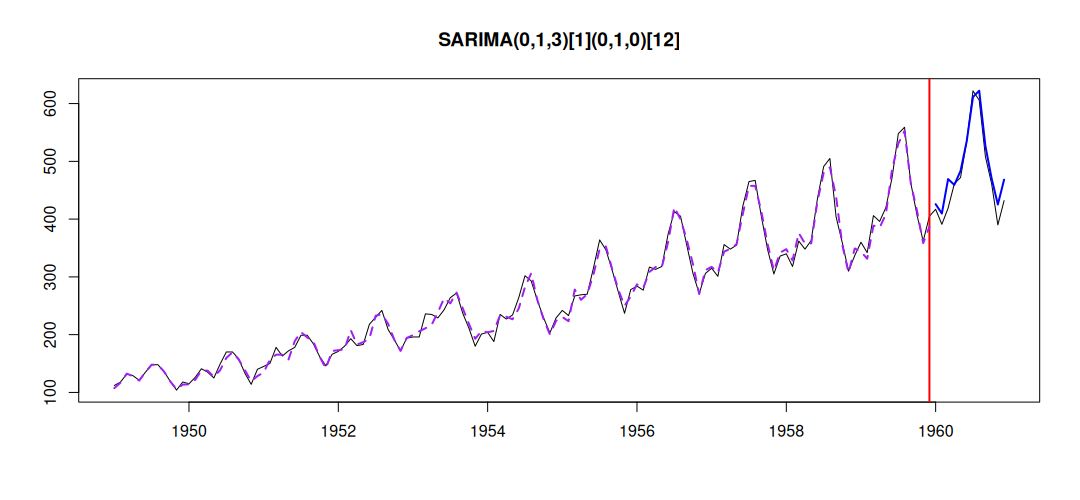
The model fit of MSARIMA

A reader left a comment under the MSARIMA post on LinkedIn saying that in order to compare ARIMAs via information criteria, we need to make sure that the candidate models have the same order of differencing. They are right — for the conventional ARIMA. BUT! In the state space formulation, the problem disappears. Here is … Read more

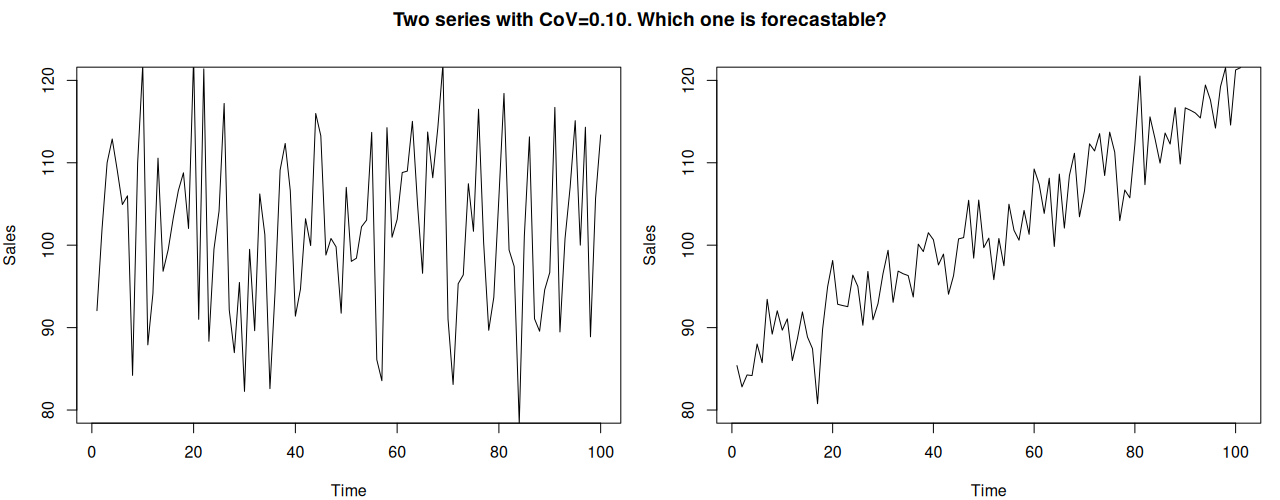
stick function for the EDA in time series

You have probably seen my post about the STI classification of Hans Levenbach (this one). Well, I’ve decided to implement it, and it has landed in the greybox package for R/Python. What’s greybox? It is a package for statistical modelling focusing on forecasting and time series analysis. I created it back in 2018 to split … Read more

Hans Levenbach’s classification scheme for trend/seasonal components

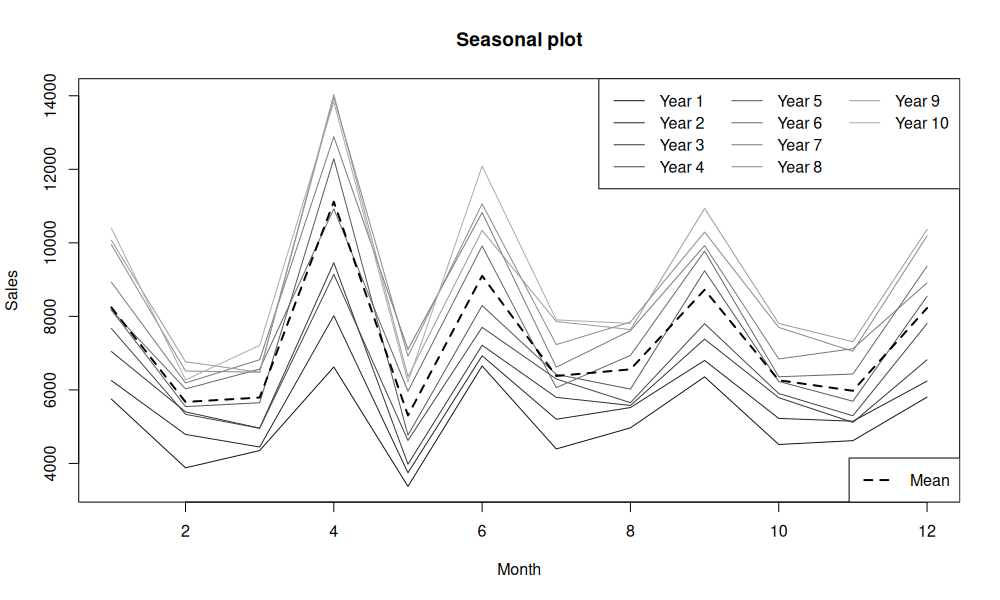
Seasonal profile of the data

Here is a curious idea: if we can somehow estimate the importance of trend/seasonal components for your data, you can use this in model building and forecasting. But how can we do this first step? Hans Levenbach has an answer with his simple EDA technique. Let me explain. The core idea is simple and neat. … Read more

Forecasting Competitions Datasets in Python

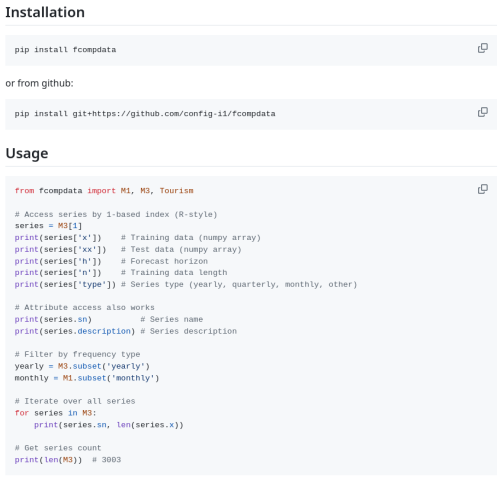
Here is one small, unexpected piece of news: I now have my first package on PyPI! It’s called fcompdata, and let me tell you a little bit about it. When I test my functions in R, I usually use the M1, M3, and tourism competition datasets because they are diverse enough, containing seasonal, non-seasonal, trended, … Read more

Online Detection of Forecast Model Inadequacies Using Forecast Errors

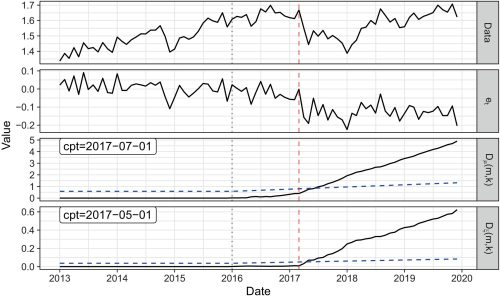
Figure 6 from the paper, showing the proportion of GRP A&E admissions, the forecast errors and two detectors.

There’s a large and fascinating area in time series analysis called “changepoint detection”. I hadn’t worked in this area before, but thanks to Rebecca Killick and Thomas Grundy, I contributed to the paper “Online Detection of Forecast Model Inadequacies Using Forecast Errors“, which has just been published in the Journal of Time Series Analysis. DISCLAIMER: … Read more

Seasonal or not?

Not every pattern that appears seasonal is genuinely seasonal. This means you don’t always require a seasonal model when you see repetitive patterns with fixed periodicity. How come? First things first, in forecasting, the term “seasonality” refers to any natural pattern repeating with some periodicity. For example, if you work in a hospital with A&E … Read more