
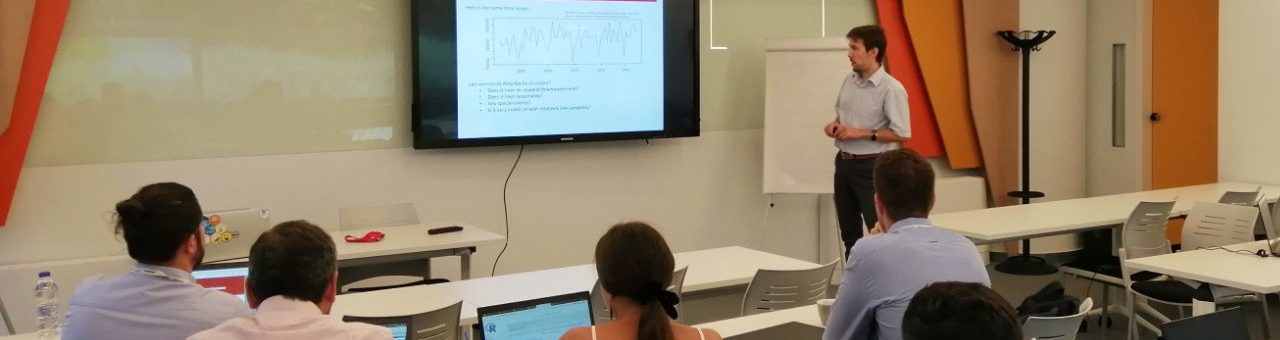
Software changes, vendors change. A planner who understands the principles can make any tool work, and can tell when it isn’t working. We have taught forecasting and statistics for over a decade at Lancaster University and in bespoke courses for planning teams at companies including Wilko, PwC and ARCO. What your team learns is how the methods work, why they behave as they do, and when to use which, so the understanding survives your next system migration.
Our courses
Demand Forecasting Principles
The core course. Forecasting fundamentals, time series components, exponential smoothing and ETS, intermittent demand, forecast evaluation, judgement, and forecast combination.
For demand planners, analysts, and anyone whose numbers feed a plan
Introduction to Statistics
The groundwork forecasting rests on: probability theory, distributions, population and sampling, and hypothesis testing. Where uncertainty comes from, and why a forecast is a distribution rather than a number.
For analysts who use statistical tools but were never taught the reasoning underneath
Advanced Statistics
Regression and beyond: model building, assumptions and diagnostics, model selection and combination, modern approaches to regression, and elements of statistical learning. The machinery behind bringing demand drivers into a forecasting model.
For analysts building models who need to know when the assumptions hold
Advanced Demand Forecasting
ARIMA, models with explanatory variables, multiple seasonalities, hierarchical and temporal forecasting, global vs local models, and how to use decision trees and neural networks for forecasting correctly.
For data scientists who know the fundamentals and want to go deeper
Open courses are scheduled when we see enough demand. Tell us which course you want, and we will let you know when it runs, or we can run it for your team directly.
Bespoke training for your team
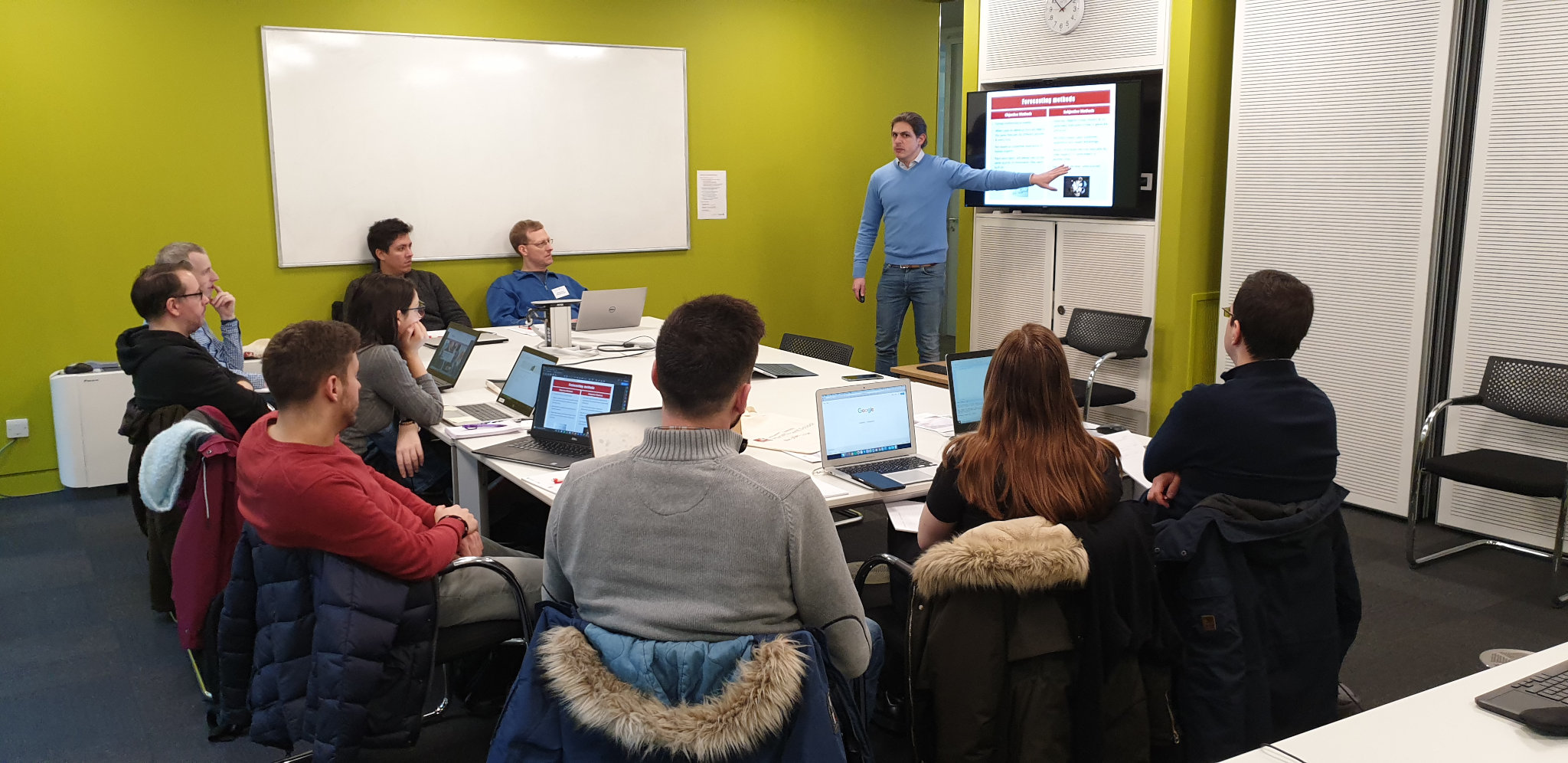
The format we recommend for planning teams. We select content to match what your team actually does, use your data in the workshops where you can share it, and deliver in the software they use daily — Excel, R, or Python. Delivered at your premises or online, typically for groups of six or more.
Before we quote, we ask what your team currently does, what tools they use, and what you want them to be able to do afterwards. The course is built from that. Tell us about your team.
Studying? PhD and Master’s students get a reduced rate on our open courses. Contact us from your university address.
How we teach
Fundamentals first
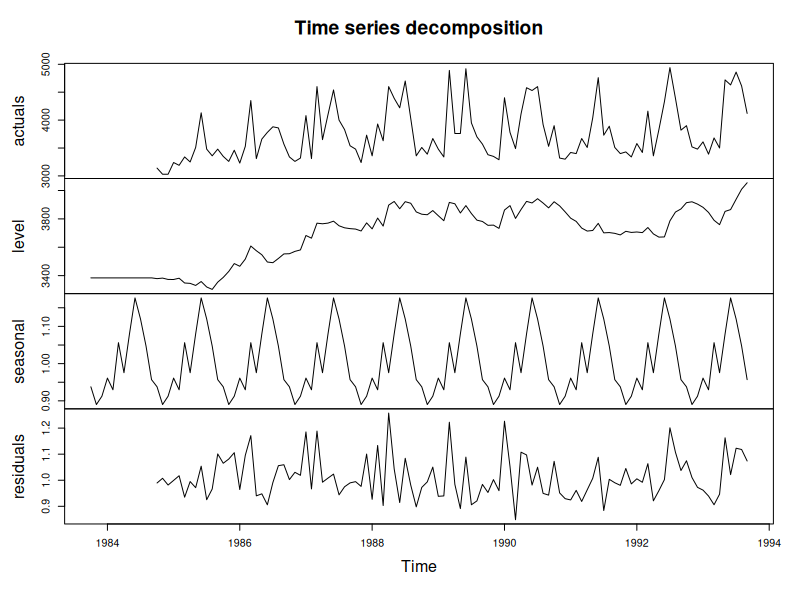
Every course explains why the methods work, what their parameters mean, and when each one is appropriate — so your team learns to model real problems rather than execute recipes. That understanding is what remains after the course ends.
Real data, real problems
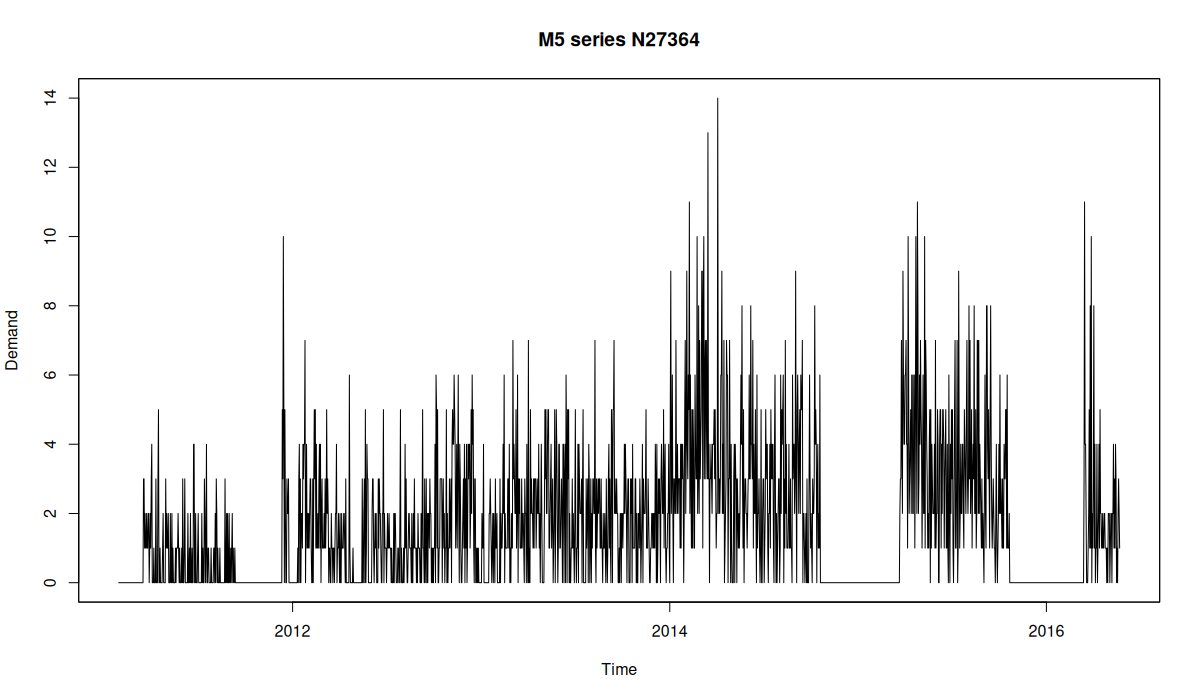
Examples come from real demand data — including the awkward kind: promotions, short histories, and the intermittent demand of spare parts and slow movers that most courses quietly skip.
Beyond the forecast
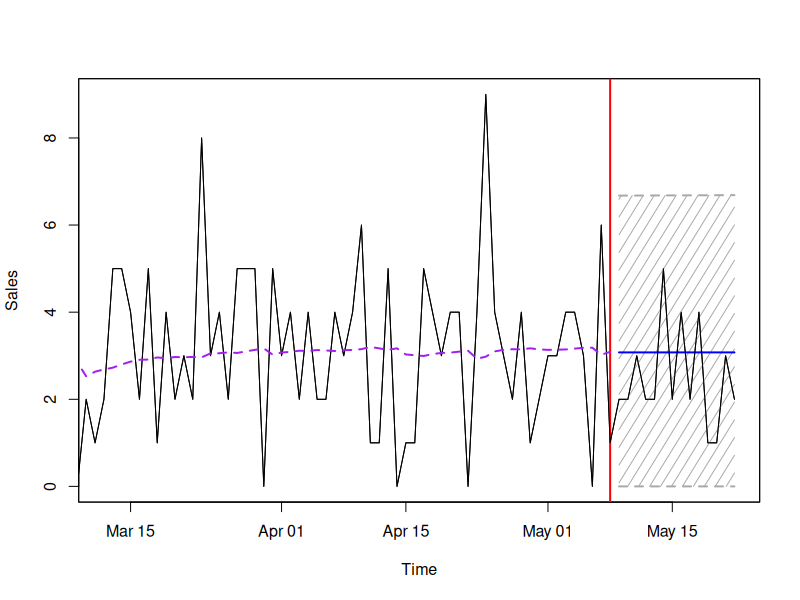
A forecast is only useful when it changes a decision. Our courses connect forecasting to what follows: honest accuracy evaluation, uncertainty and prediction intervals, and the translation into safety stock and inventory decisions.
In your tools: Excel, R, or Python
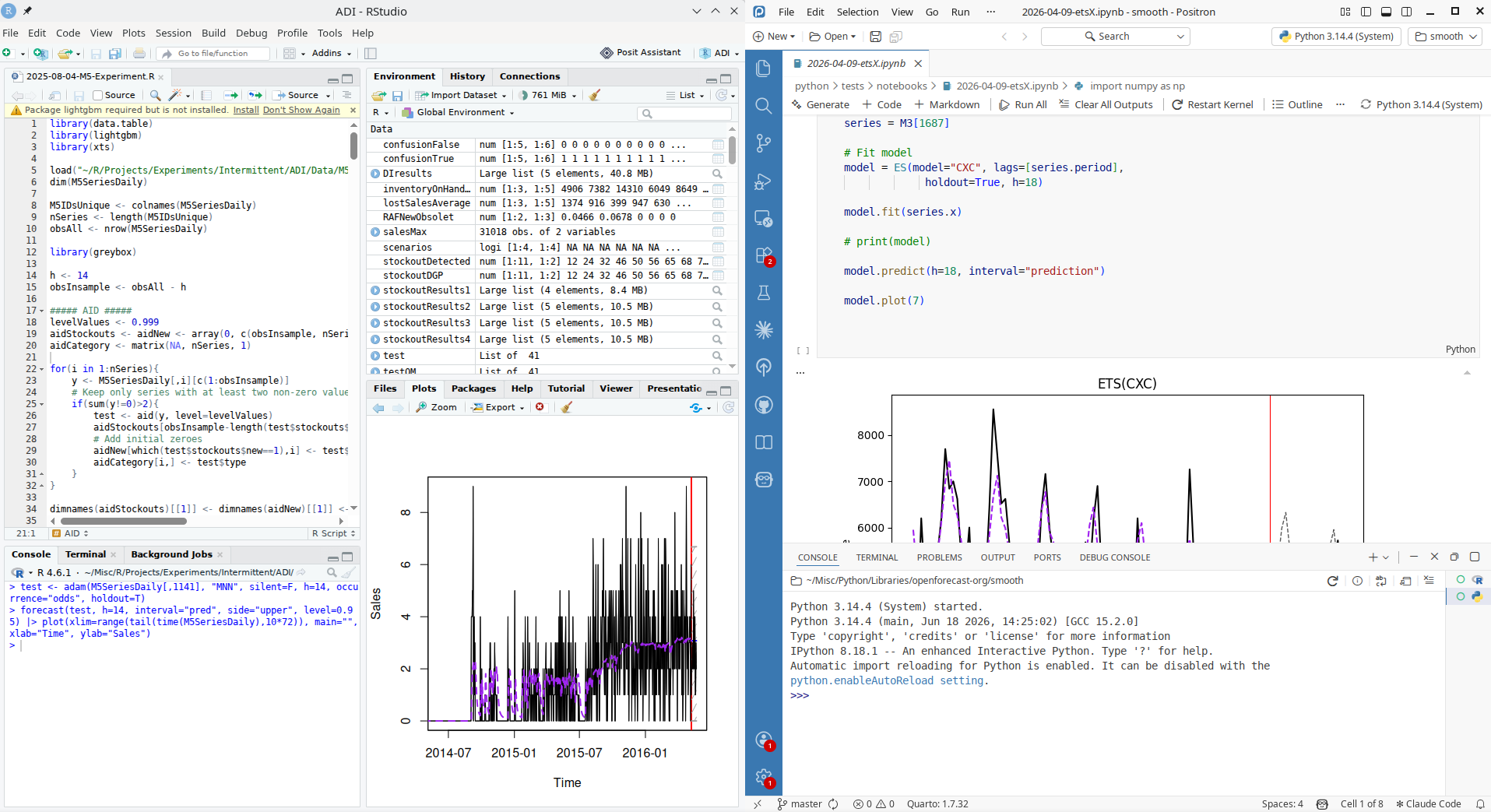
All our courses can be delivered with examples and workshops in MS Excel, R, or Python — whichever your team actually uses. The principles are identical; the practice happens where your daily work does.
What attendees say
The tutors are true experts in statistical forecasting models. Their insights on the simplest aspects of the field were valuable, even for a seasoned practitioner like myself. This course gave me a better understanding of forecasting methods and best practices. This course motivates me to learn forecasting more!
I enjoyed quizzes and workshops. Every question that we asked was answered comprehensively. Appreciated!
Formats
Open courses are announced on our events page; bespoke courses are arranged directly and delivered either online or on-premises — based on client preferences.
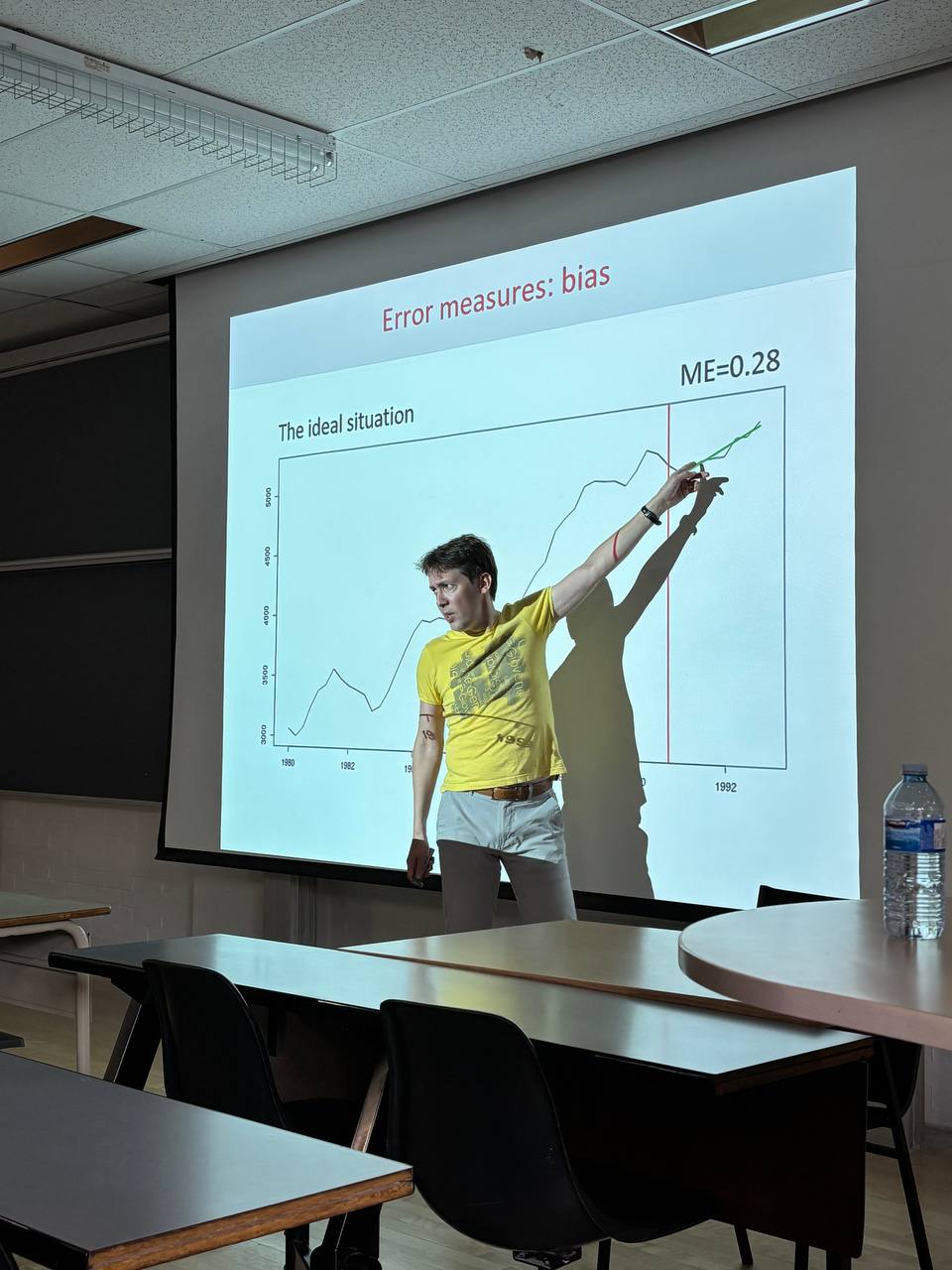
Who teaches

Ivan Svetunkov
Spent more than a decade teaching forecasting and statistics at Lancaster University, latterly as Senior Lecturer and Director of the Centre for Marketing Analytics and Forecasting. Author of the ADAM monograph and creator of the smooth and greybox packages.

Nikolaos Kourentzes
One of the most cited researchers in business forecasting and co-author of Principles of Business Forecasting. Formerly Professor at the University of Skövde and Lancaster University, now at Indicio Technologies, applying these methods across supply chains, tourism and healthcare.
What we teach is what we use: the methods in our courses are the ones we research, implement in open-source software, and apply in consulting work.
Thinking about training for your team?
Tell us about your team, your tools, and what you want them to be able to do — we will suggest a course and format to match.
Prefer to write? Send us a message