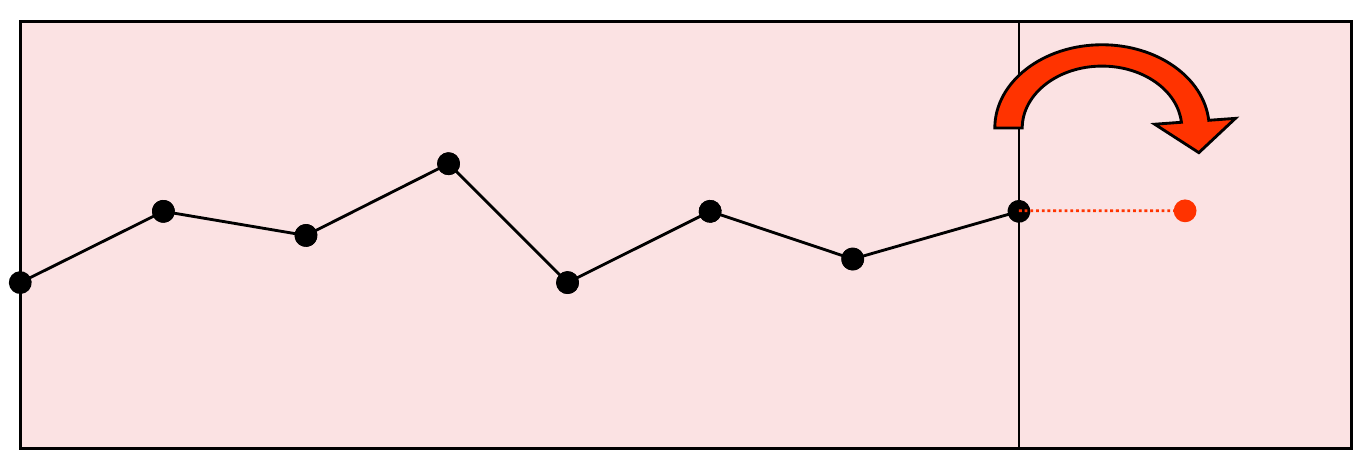
Why Naïve is popular and important

How Naive works

There is one forecasting method that appears more often than any other in competitions and evaluations. An experienced forecaster will always use it as a benchmark. This method is called “Naïve”, and here is why it is popular and important. Naïve is a very simple forecasting method: the forecast equals to the last observed value. … Read more
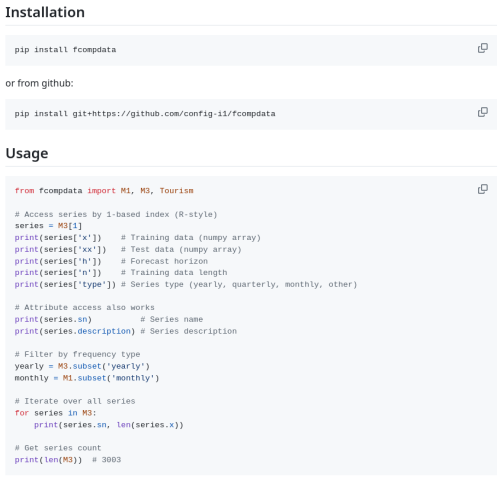
Forecasting Competitions Datasets in Python

Here is one small, unexpected piece of news: I now have my first package on PyPI! It’s called fcompdata, and let me tell you a little bit about it. When I test my functions in R, I usually use the M1, M3, and tourism competition datasets because they are diverse enough, containing seasonal, non-seasonal, trended, … Read more

The role of M competitions in forecasting

If you are interested in forecasting, you might have heard of M-competitions. They played a pivotal role in developing forecasting principles, yet also sparked controversy. In this short post, I’ll briefly explain their historical significance and discuss their main findings. Before M-competitions, only few papers properly evaluated forecasting approaches. Statisticians assumed that if a model … Read more

M-competitions, from M4 to M5: reservations and expectations

UPDATE: I have also written a short post on “The role of M competitions in forecasting“, which gives historical perspective and a brief overview of the main findings of the previous competitions. Some of you might have noticed that the guidelines for the M5 competition have finally been released. Those of you who have previously … Read more