Demand Forecasting Principles course, October 2026

A photo of the participants of Demand Forecasting Principles open course

Our demand forecasting course is back! This time under the OpenForecast umbrella. Since 2024, Kandrika Pritularga and I have run a demand forecasting principles course at the Centre for Marketing Analytics and Forecasting. We ran it three times, and it has received good reviews from the participants. They liked that the material was motivated by … Read more

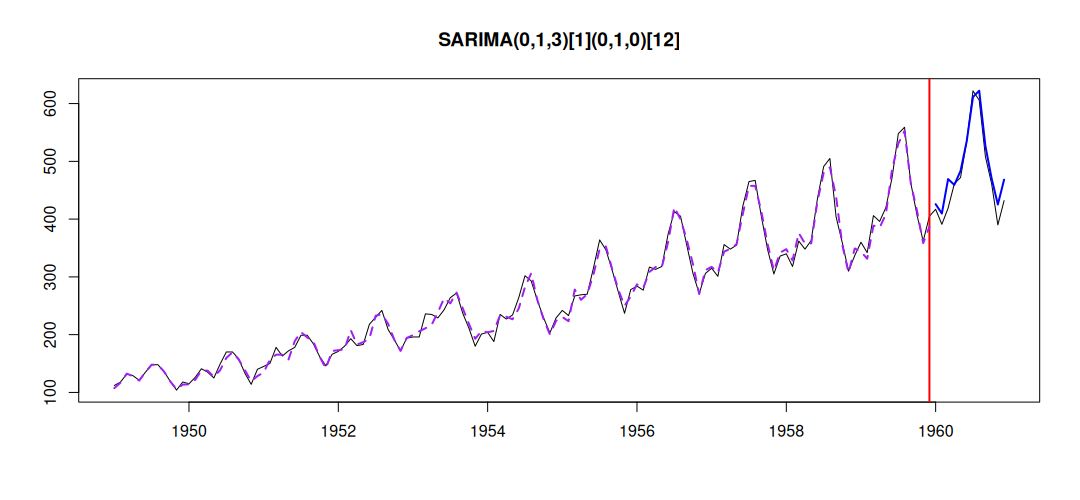
Five things that determine your safety stock

One of the most common questions we get from companies is “How much safety stock should we hold?” Companies usually want simple solutions, but the honest answer is that there is no universal number and no universal formula – depending on what you sell, how often you sell, how your operations are setup etc, you … Read more

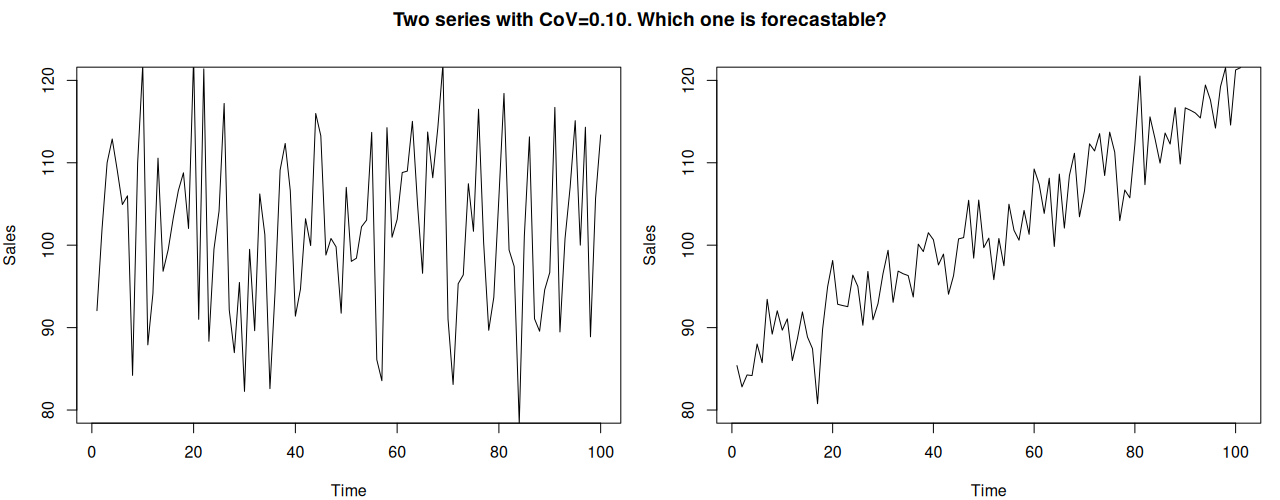
Website redesign

Good news, everyone! I’ve turned my website into a company. But first, some history that explains why… Back in 1990, Robert Fildes joined Lancaster University and established the Centre for Marketing Analytics and Forecasting (called “Lancaster Centre for Forecasting” back then). The main idea of the centre was to bridge the gap between academia and … Read more

ISF2026: PTS Taxonomy of Multiple Source of Error State Space Models for Demand Forecasting

This time, at ISF2026, I presented the paper that I have worked on together with Juan Ramon Trapero and Diego Pedregal. The idea of the paper is to introduce a taxonomy of the models in the Multiple Sources of Error (MSOE) framework. In the Single Source of Errors one, there is ETS, in the MSOE, … Read more

stick function for the EDA in time series

You have probably seen my post about the STI classification of Hans Levenbach (this one). Well, I’ve decided to implement it, and it has landed in the greybox package for R/Python. What’s greybox? It is a package for statistical modelling focusing on forecasting and time series analysis. I created it back in 2018 to split … Read more

smooth in python: Non-normal distributions in ETS/ARIMA

So, you know quite well that the normal distribution is one of the most popular distributions in statistics. The reasons are manifold, including convenience for the academic community and the fact that it is taught in every single statistics course in the world. But what if we don’t want to be normal? There are situations … Read more

Hans Levenbach’s classification scheme for trend/seasonal components

Seasonal profile of the data

Here is a curious idea: if we can somehow estimate the importance of trend/seasonal components for your data, you can use this in model building and forecasting. But how can we do this first step? Hans Levenbach has an answer with his simple EDA technique. Let me explain. The core idea is simple and neat. … Read more

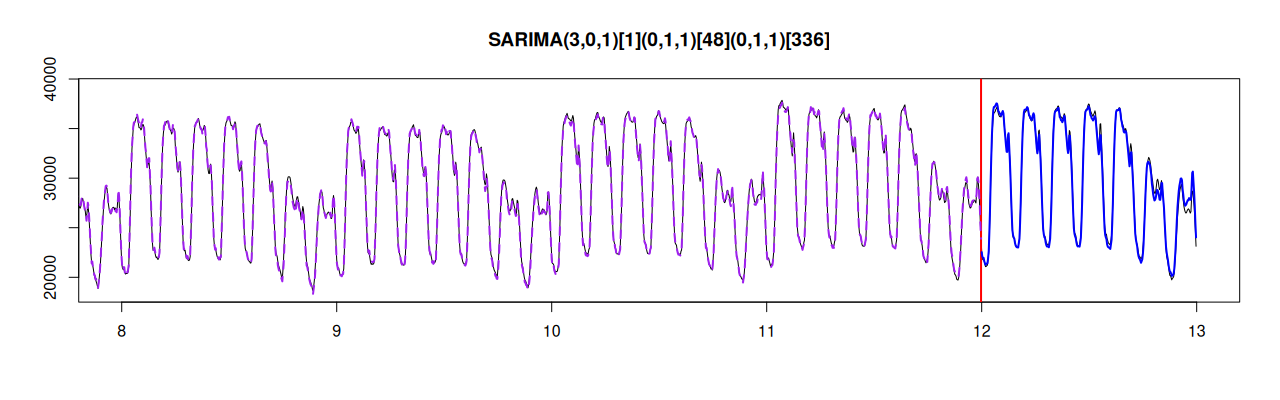
smooth in python: multiple seasonal ETS

Another interesting case in demand forecasting is the high frequency data. For example, if you work with demand on daily level, you might notice that demand increases every Monday but also exhibits proper seasonal fluctuations (e.g. decline every Winter). What do you do in this case? One of the solutions (old but gold) is the … Read more

smooth in python: ETS with explanatory variables

We continue our series of posts on the functions from the smooth package for Python/R. Today we will see how to enhance your exponential smoothing with explanatory variables. What? Yes, you heard me! Let’s dive in! We all know that in real life sales don’t just evolve over time on their own. Any univariate model, … Read more

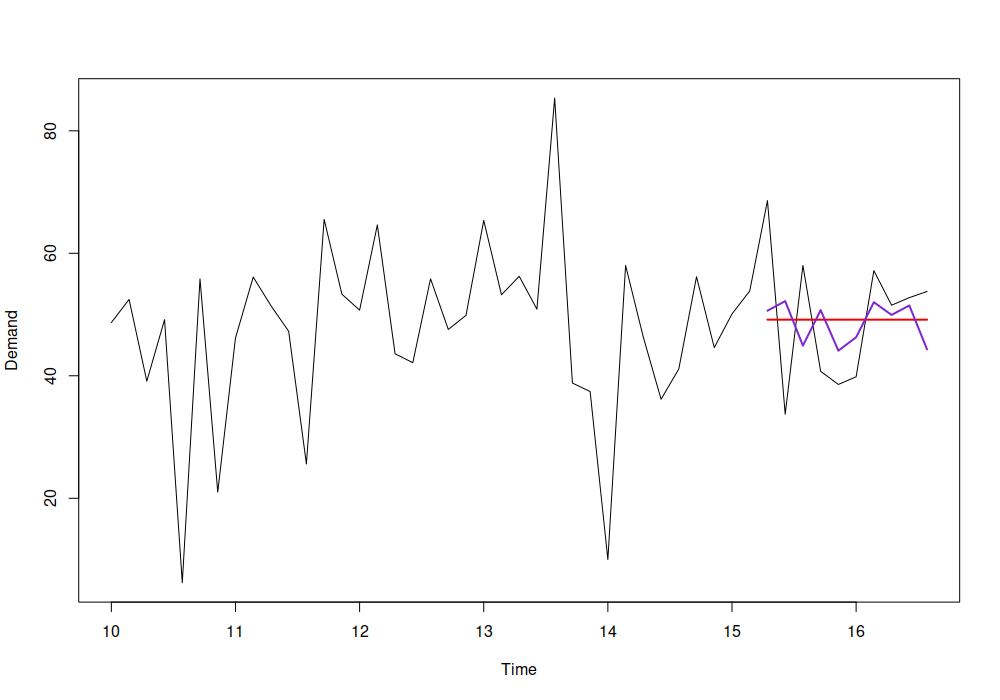
smooth in python: ETS forecast combination

Last time we saw how to do automated model selection using the ES function from the smooth package. Now I want to show how to produce combined forecasts from ETS. Why bother? There is a vast body of literature on forecast combinations (read this great review). The main idea is that you should not put … Read more